
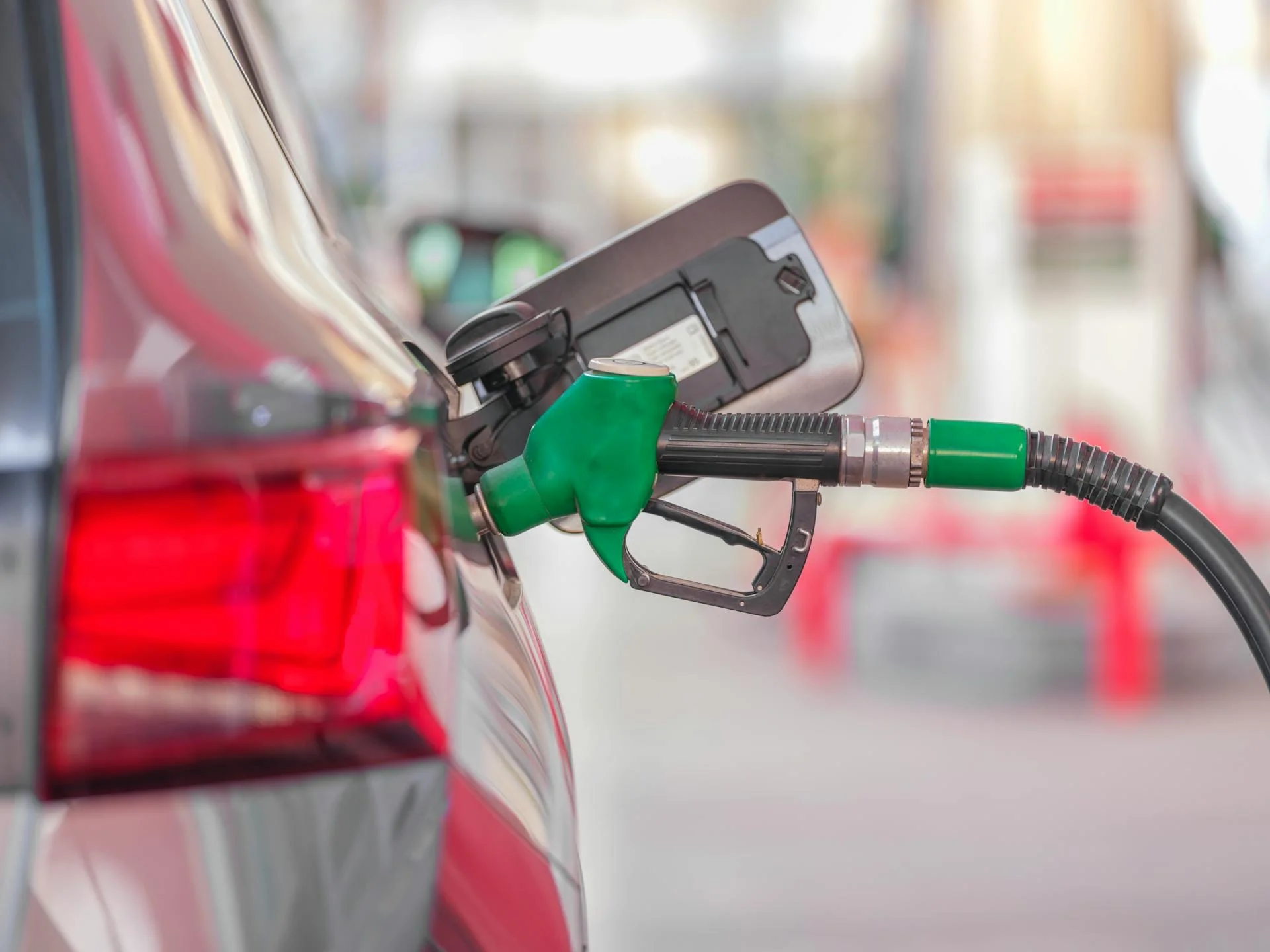
Polish drivers will feel the first increase in fuel prices starting today, June 17. The government has extended the reduced VAT rate of 8% and the mechanism for maximum prices at gas stations until the end of the month, but has refused to extend the reduced excise tax rate.
The full excise tax rate came into effect on June 16, but due to the specifics of calculating maximum prices at gas stations, the increase has only become noticeable today
Ceny paliw w Trójmieście wzrosną o 29 groszy za litr benzyny i 28 groszy za litr oleju napędowego
What happened?
Extension of reduced VAT on fuel in Poland
However, the approach to excise tax has changed: while previously both exemptions were extended simultaneously, this time the excise discount expired on June 16 without extension
The second stage of price increases will occur on July 1
Eksperci opisują dzisiejszą podwyżkę cen jako pierwszy krok. Znacznie większy skok oczekiwany jest 1 lipca, kiedy to zarówno obniżony VAT, jak i mechanizm maksymalnych cen przestaną obowiązywać.
Po tym podatek wróci do standardowej stawki 23%, a w połączeniu z już przywróconą akcyzą może to prowadzić do dalszych podwyżek cen na stacjach benzynowych.
According to Polish media forecasts, gasoline and diesel fuel prices could rise by 0.8–1 zloty per liter after the complete abolition of exemptions, compared to June levels. For a car with a 45-liter tank, this means additional costs of about 40 zlotys per fill-up.
Ile Polska wydała na kontrolę cen paliw?
The issue of fuel prices in Poland has long transcended economics and gained political significance. The state program for controlling prices allowed for keeping fuel costs below market levels through tax exemptions and restrictions at gas stations, but it was not cheap for the budget.
Według Ministerstwa Finansów, obniżka akcyzy kosztowała państwo około 700 milionów złotych miesięcznie, podczas gdy obniżona stawka VAT stanowiła kolejne około 900 milionów złotych. W sumie budżet tracił około 1,6 miliarda złotych każdego miesiąca.