After moving from Belarus to Poland, Kristina thought that there were almost no homeless animals here. But just a month later in Tczew, she began picking up sick street cats. Together with a Polish woman, Karolina, they opened a temporary shelter Koci Raj, which today helps dozens of animals. Kristina told MOST how the shelter came to be, how it operates, and why the city authorities supported the project.
Kristina lived in Europe for the last nine years. Then she needed to return to Belarus for a year. In the area where she rented a house, there were many stray cats. She fed them, treated them, sterilized them, and found them homes. Then she moved to Poland with her husband and two cats.
— Myślałam, że tylko finansowo pomogę białoruskim kotom, z daleka. Ale wyszło inaczej, — mówi Kristina.
In Tczew, where a woman lives, she noticed many stray cats — and began to feed them. Soon she realized that the problem of stray animals in the city is much broader.
When an especially cold winter arrived, Kristina made a call for help in a local Facebook group — she shared that she came from Belarus, knows no one, but is feeding homeless cats, one of which has a viral disease causing eye inflammation.
You can help the shelter through Facebook
Władze miasta przydzielają limity na bezpłatną sterylizację
Several women responded to the call, who also fed the city cats. Soon, a meeting was organized with the mayor of the city — nine more women attended. The participants asked for help with free sterilization. Before this, Krystyna had already written to the city office (Urząd Miasta) about the situation with the kittens. A month later, a response came: the office will provide free sterilizations.
The assistance is organized like this. A volunteer at the end or beginning of the year writes to the Urząd Miasta or ZWiK — the water supply and municipal services company. They describe the situation — how many stray animals need to be sterilized. In response, they receive a designated number of free sterilizations with the assignment of a specific clinic and veterinarian.
The quota is not indefinite — it usually lasts for 3–4 months, and if you don’t manage to use it or fail to request an extension in time, the «sterilizations expire.» Volunteers can «transfer» their appointments to each other.
"Prezydent przybył — i wziął na siebie wszystkie rachunki"
At a meeting with the city mayor, Kristina recalls, she and another woman — a Pole named Karolina — "decided at their own risk" to request a space for homeless animals
— Animals need to be kept somewhere after surgery. Not everyone has free space or, for example, basements, — says Kristina.
The mayor allocated a space — two small rooms in a standalone house. They were not in the best condition: the walls had to be plastered and painted by Kristina's husband, and the mold, which they seemed to have gotten rid of, periodically reappeared
Initially, the volunteers were supposed to pay for electricity and water themselves. But after the shelter started operating, they invited the mayor to see the results.
— He arrived, brought 10 kilograms of feed, paid for the ventilation — it cost 15,000 zlotys, and since then he has been covering all the bills for the municipality. Recently, the city allocated another 1,000 zlotys for the purchase of four cages, — Kristina recounts.
A Home for 30 Cats
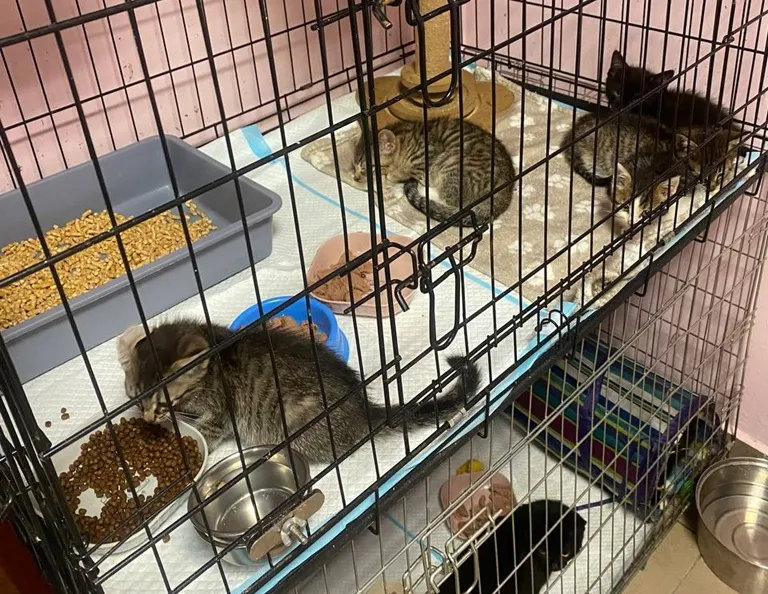
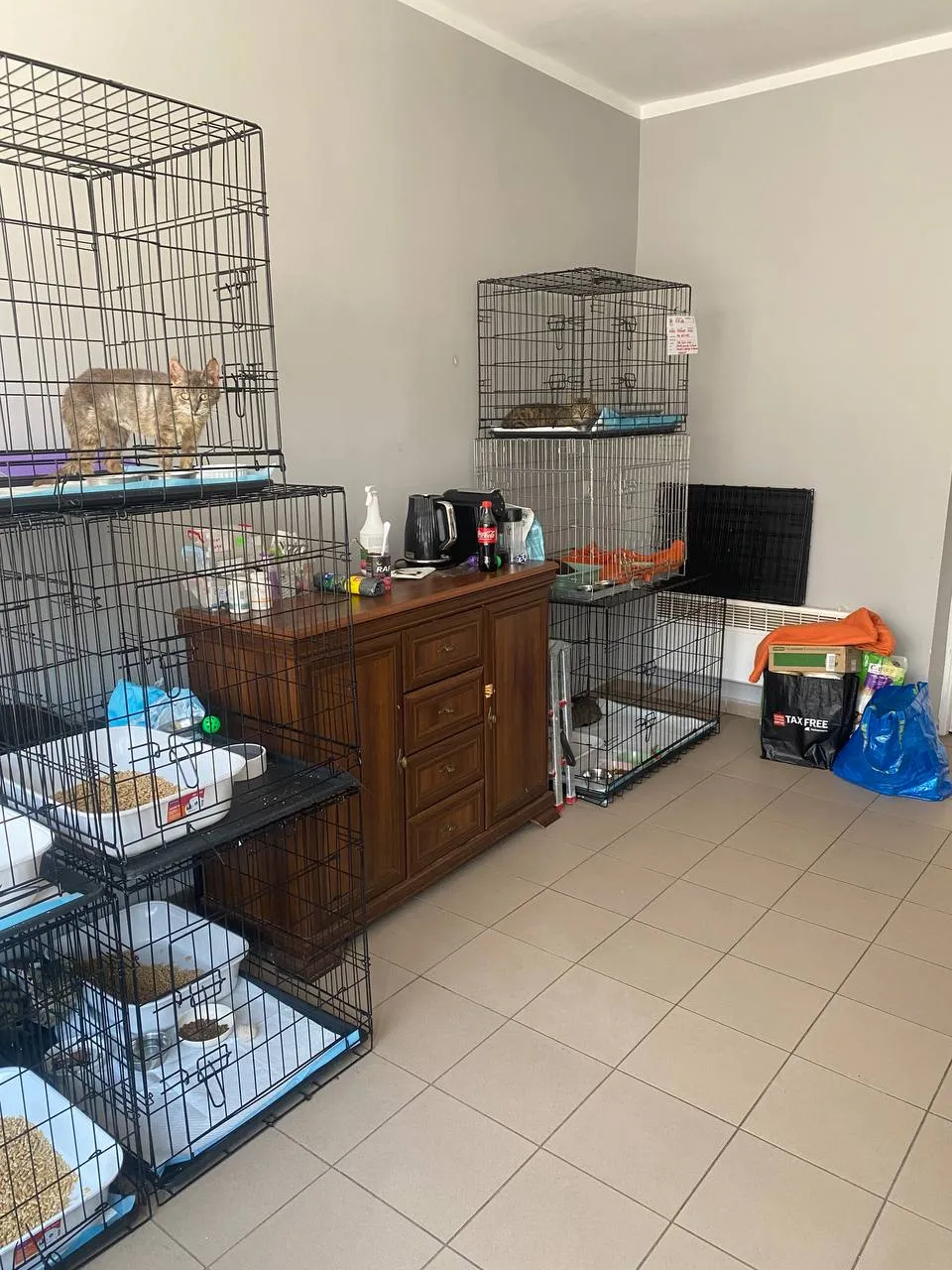
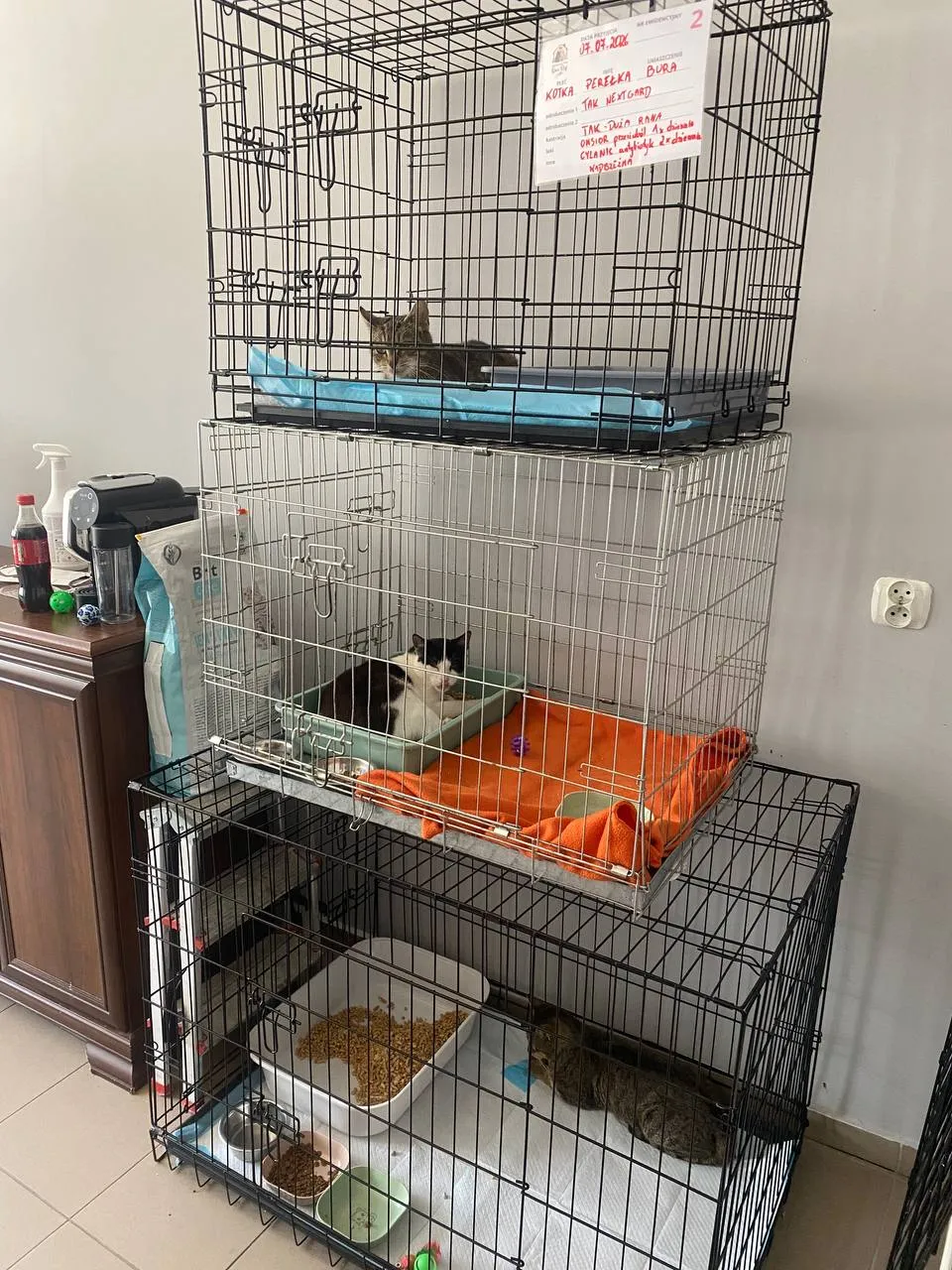
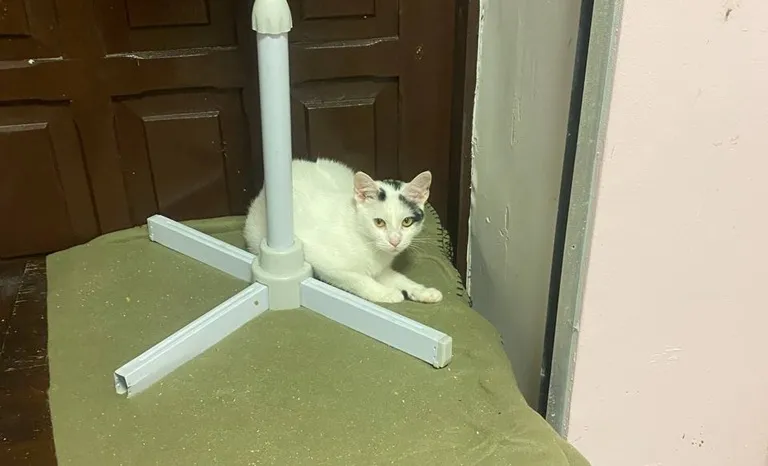
This is how the temporary home for cats Koci Raj began to operate. Currently, there are more than 30 animals here. The house has a room with cages for sick cats and a room for those who can move freely. Separate cages are for small kittens who are not yet ready to run around with everyone.
— Obecnie jesteśmy na kwarantannie: u jednego z kotów stwierdzono obecność giardii — pasożytów, których trudno się pozbyć, i wszystkie zwierzęta będą teraz poddane leczeniu.
All of Kristina's pets go to the veterinarian who lives near their home. The clinic provided them with a 10% discount. The veterinarians contacted for sterilization by agreement with the city are further away — they have to take a taxi there.
«The back is giving out, to be honest»
W schronisku praktycznie nie ma stałych wolontariuszy: Kristina i Karolina zarządzają nim razem. Czasami przychodzi inna dziewczyna, a czasem polska znajoma pomaga w transporcie.
— When someone expresses a desire to help, we are very happy — because my back is giving out, to be honest, — admits Kristina.
Daily responsibilities include cleaning the enclosures, changing the bedding, and often transporting animals to the veterinarians. The women come to the shelter twice a day, and they try to share the weekends — so that each of them has at least one free day a week.
The biggest expenses are for veterinarians
The care of animals is associated with constant expenses. Just the litter alone requires about 30 bags a month — around 15 kilograms a day. Each day, the animals consume 20 cans of wet food, and this should be supplemented with dry food.
The largest expense is visits to the veterinarians. For one visit with three cats, I had to pay 1186 zlotys, and with additional tests, the total amount over two days exceeded 2000.
Choroby dotykające zwierzęta są różnorodne — występuje zespół Hornera (zaburzenie neurologiczne, które pojawia się w wyniku uszkodzenia ścieżek nerwowych prowadzących do oka, zazwyczaj objawiające się opadającą powieką, zwężoną źrenicą i lekko zapadniętym okiem) oraz FIP (feline infectious peritonitis). To ostatnie to poważna choroba wirusowa, która rozwija się z mutowanego koronawirusa; przez długi czas uważano ją za niemal śmiertelną. Kilka innych kotów ma koronawirusa, który, według Kristiny, jest bardziej prawdopodobnie w stanie uśpienia, podobnie jak wirus opryszczki u ludzi.
To cover all major expenses — visits to the veterinarians, purchase of medications — Krystyna announces fundraising. She then reports back to those who help: she sends receipts for medications and paid visits.
«Kittens are in high demand»
If possible, volunteers find new homes for the animals. Generally, it is easier to find owners for kittens, while it is more difficult with adult cats.
— Kocięta cieszą się dużym zainteresowaniem, więc nie martwimy się o nie. Jednak wiele z nich musi najpierw przejść leczenie na kocie przeziębienia — gdy ich oczy stają się lepkie. Czasami przyjmowane są również dorosłe koty, ale zabranie ich wszystkich na raz — to, oczywiście, się nie zdarza — mówi Kristina.
According to her observations, Belarusian and Polish stray cats differ in character: in Belarus, almost every cat could be tamed, while in Poland there are more truly wild, timid animals. Kristina and Karolina have a special approach to such cats: they treat them, sterilize them, vaccinate them — and then release them back to where, as a rule, someone from the local residents already takes care of them. However, according to Kristina, there are not many such cases.
— Sometimes in one day you can give away three adult cats, and then five little kittens will come. It’s like a cycle in nature — we never have an empty space, — she says.