

W Gdyni, po niemal 15 latach, jedna z najbardziej znanych nierozwiązanych spraw w regionie została rozwiązana — morderstwo 13-letniej Izabeli Strzałkowskiej. Prokuratura i policja aresztowały 37-letniego mieszkańca miasta, który został oskarżony o morderstwo małoletniej w związku z gwałtem.
Izabela Strzałkowska died on August 23, 2011, in the Dąbrowa area. That evening, the girl was accompanying a friend to the bus stop but did not return home. Her mother found her daughter's body about 300 meters from their home — between the bus stop and residential buildings. The arriving rescuers attempted to resuscitate the girl, but they were unable to save her
The autopsy revealed that the cause of death was asphyxiation due to pressure on the neck. Investigators immediately established that the crime had a sexual nature
The initial investigation was conducted by the District Prosecutor’s Office in Gdańsk. The police interviewed hundreds of witnesses, collected DNA samples from dozens of men, and carried out numerous examinations. However, they were unable to identify the perpetrator, and in June 2013, the case was officially closed. Despite this, the search continued by the Cold Cases Department «Archive X» in collaboration with the criminal department of the Gdańsk police.
In 2020, the case was transferred to the Regional Prosecutor's Office in Gdańsk. Investigators re-analyzed the case materials: they prepared a nearly 300-page report, re-examined the evidence, and checked hundreds of possible versions. Over the years, more than 950 people were interrogated, over 900 DNA samples were collected, and about 150 expert studies were conducted. A total of 711 men were checked
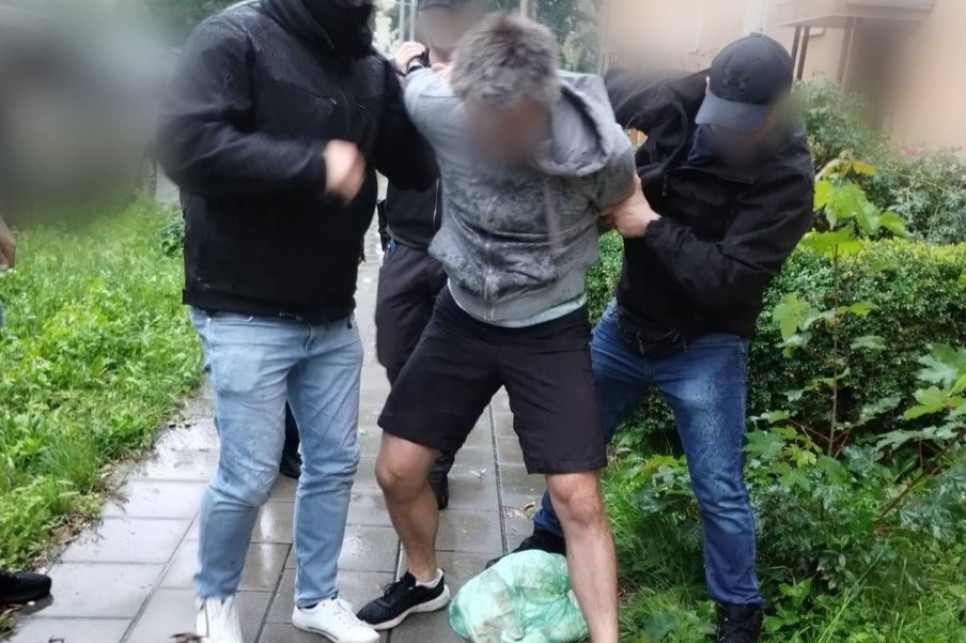
A turning point was the application of genetic genealogy — a method that had not been used in such investigations in Poland before. The DNA profile of the criminal was absent from police databases, however, specialists found a match with a relative of the suspect in an open genealogy database. Analyzing family connections allowed them to identify a specific man.
On July 21, 2026, after the arrest of a 37-year-old resident of Gdynia, biological material was collected. Tests conducted at the Gdańsk Medical University and the Forensic Research Institute named after Professor Jan Sehn in Kraków independently confirmed a complete match of DNA with the material found on Izabela’s body in 2011.
W chwili morderstwa mężczyzna miał 22 lata. Mieszkał w tej samej okolicy Gdyni co Izabela. Nie miał wcześniejszych wyroków, posiada wykształcenie wyższe, pracuje i wychowuje dwoje małych dzieci. Po aresztowaniu mężczyzna przyznał się do winy, jednak prokuratura zauważa, że głównym dowodem były wyniki testów DNA. Obecnie nie ma informacji, czy znał zmarłą.
He is now facing psychiatric, psychological, and sexological examinations. If found guilty, he faces 12 to 15 years in prison, 25 years of imprisonment, or life imprisonment.