In Gdańsk and at the «Kuznica» border crossing, three participants of a scheme were detained for organizing the issuance of fictitious invitations for a Polish work visa. For this purpose, 130 shell companies were registered under fictitious persons.
According to the investigation, initially, recruits were asked to create trusted profiles, open bank accounts, and register phone numbers. After that, access to this data was transferred to the scheme's organizers. The "applicants" themselves were then taken out of Poland, but their digital footprints continued to operate without them — companies were created online using their data.
To powstało około 130 firm-słupów. Nie prowadziły one żadnej rzeczywistej działalności, nie zatrudniały pracowników, ale aktywnie przetwarzały i składały deklaracje do powiatowych urzędów pracy dotyczące przydzielania pracy cudzoziemcom. Formalnie są to dokumenty, które umożliwiają legalne zatrudnienie cudzoziemców; jednak w tym przypadku były one wykorzystywane jako narzędzie do masowego przetwarzania zezwoleń. Śledztwo szacuje skalę schematu na około 11 000 fikcyjnych deklaracji.
With such documents, foreigners applied for Polish national visas and entered the country. According to the border service, this constitutes illegal border crossing — as the stated purpose of the trip (work) was initially fictitious
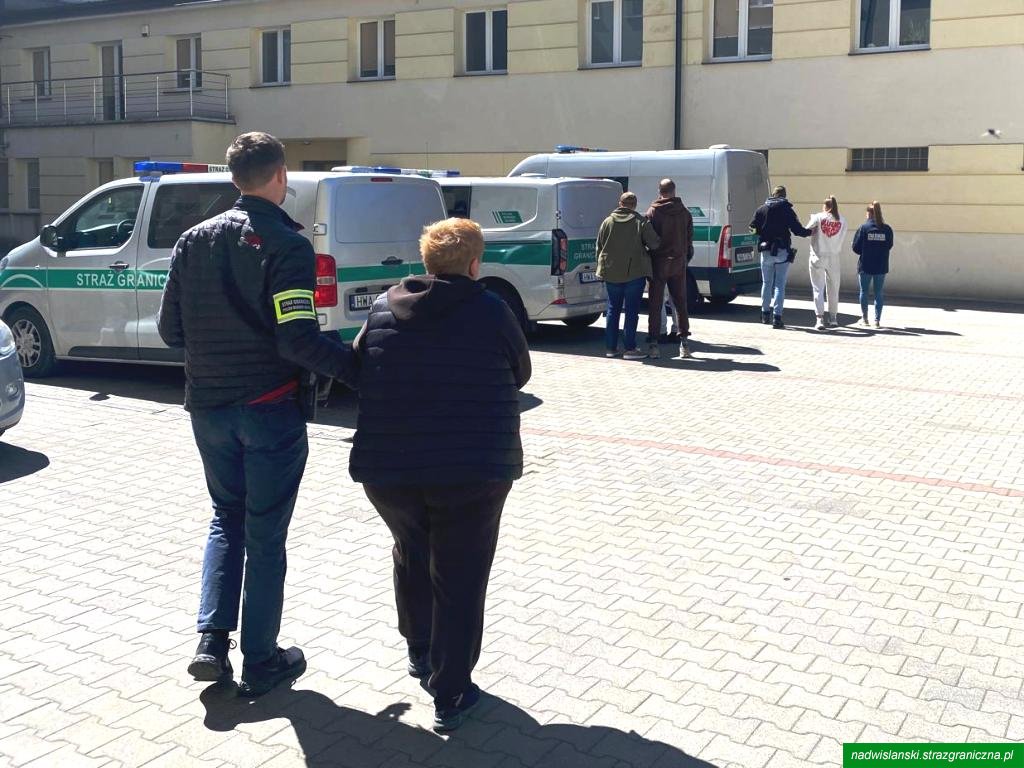
The resolution came after analyzing the cash flows: transfers to the accounts of the shell companies led the investigation to the organizers. The operation concluded with arrests — two suspects were apprehended at the «Kuznica» border crossing, and another in Gdańsk.
They have been charged with organizing illegal migration and document forgery by misleading officials. The court has remanded all three in custody for three months. They face up to eight years in prison
The investigation is ongoing, and border guards do not rule out further arrests — the network may be broader than initially assumed