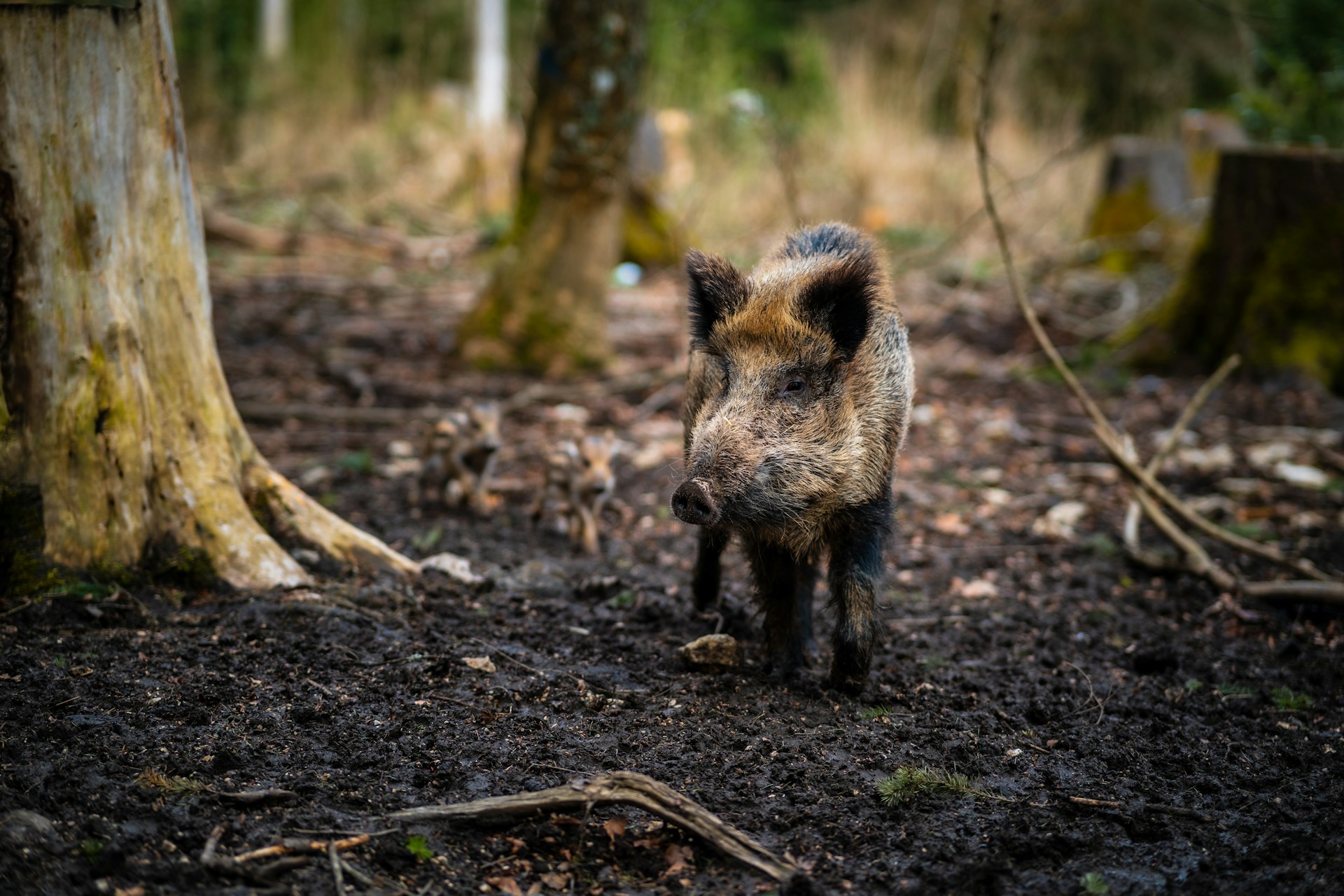
In Gdynia, a 1.5-year study on how to reduce the number of wild boars in the city has been completed. The main recommendations turned out to be expected: less food for the animals, more education, and better management of the urban environment
In recent months, the number of boars in Gdynia has noticeably decreased. This is related to African swine fever (ASF): due to the virus, the population has shrunk to a minimal level
According to the city guard, as long as the disease persists, the numbers will remain low; however, after it ends, the boars may return to the urban environment. To prepare for this in advance, in 2024, Mayor Aleksandra Kosyrek established a working group on wild animals, which analyzed the situation and developed recommendations over several months.
From 2013 to 2025, Gdynia registered over 14,800 reports related to boars, mostly concerning their appearances in the city. Experts concluded that the animals venture into the city due to available food and the characteristics of the urban environment, as well as human behavior
Experts provided recommendations
Among the main recommendations are limiting access to waste through secured containers, refraining from feeding the animals, informing residents about the risks, protecting schools, kindergartens, and playgrounds with fencing and surveillance, improving the management of green areas, enhancing road safety, and developing educational campaigns
The study cost 50,000 zlotys. Some residents and councilors criticized the project, deeming it too expensive and unnecessary — in their opinion, such conclusions could have been drawn without a separate expert group. In response, supporters of the report note that specialists provided a deeper analysis of the problem and took into account the experiences of other cities.