Residents of Poland have been reminded of an unexpected aspect of the bottle and can deposit system: those who earn money from returning containers may attract the attention of the tax authorities. In some cases, such «earnings» could even be recognized as a full-fledged business.
After the launch of the deposit system, social media has been filled with videos and stories of people who find and return others’ bottles and cans, earning hundreds of zlotys a day. Previously, there were reports of a resident of Kraków who returned 4,700 containers and received over 2,300 zlotys.
However, as experts explain, the key issue is the origin of the containers. If a person returns bottles that are not theirs, but collected from the streets, parks, or even from acquaintances, this may raise questions
One-off cases may be considered by the tax authorities as additional income. But if it involves systematic collection — with established routes and a stable income of several hundred zlotys a day — the activity may be recognized as entrepreneurial
“If this is done regularly and in an organized manner, it is already a business with all the consequences: registration, taxes, and contributions to ZUS,” explains tax expert Piotr Juśkiewicz from InFakt.
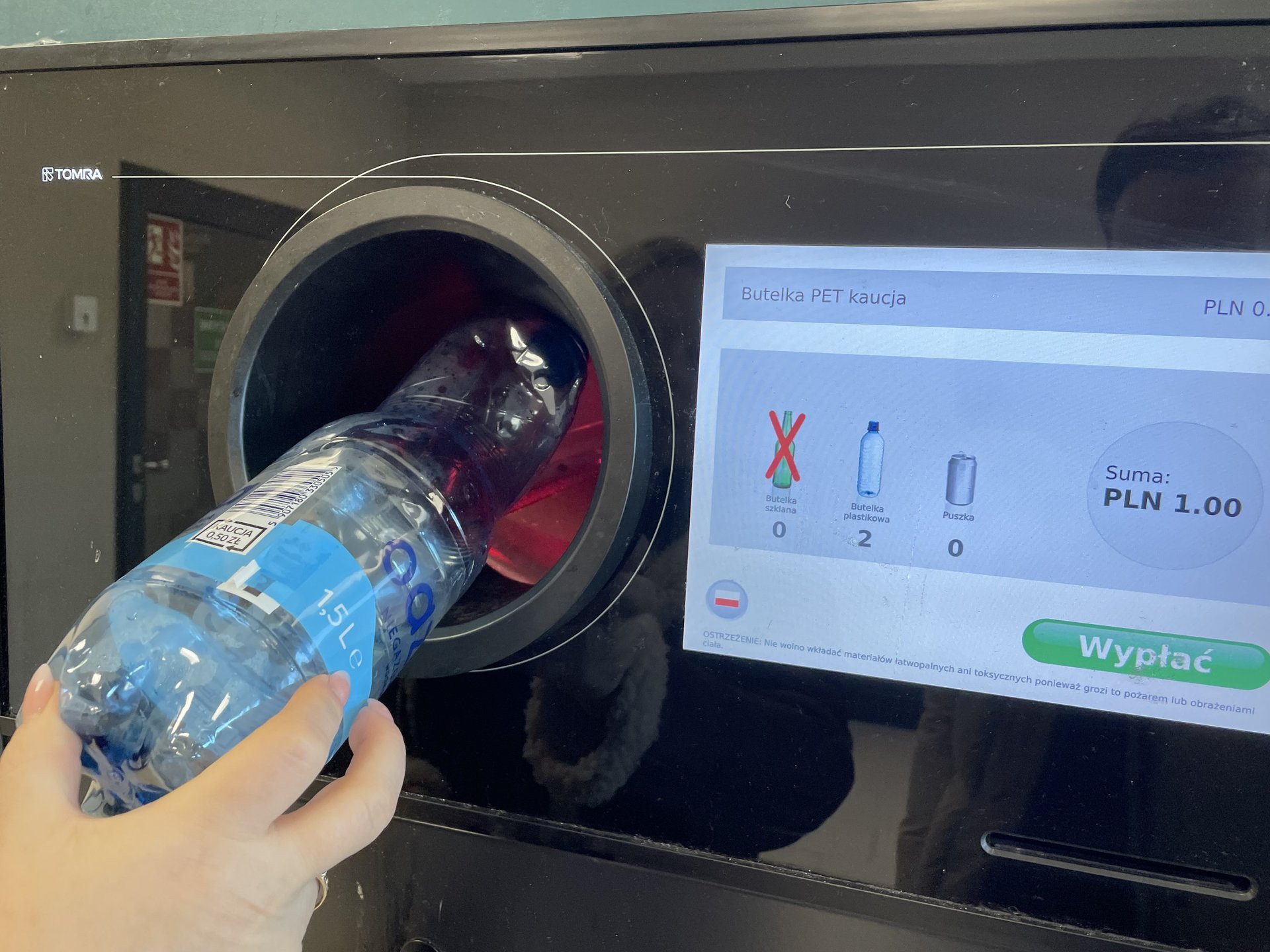
An additional factor is the transparency of the system. All operations through the machines are recorded, and operators maintain detailed statistics on returns.
Currently, the deposit system includes plastic bottles up to three liters and metal cans up to one liter — for which 50 groszy is refunded. Starting in 2026, reusable glass bottles will be added: the deposit for them will be 1 zloty
At the same time, a receipt for the return is not required, but the packaging must not be crushed