
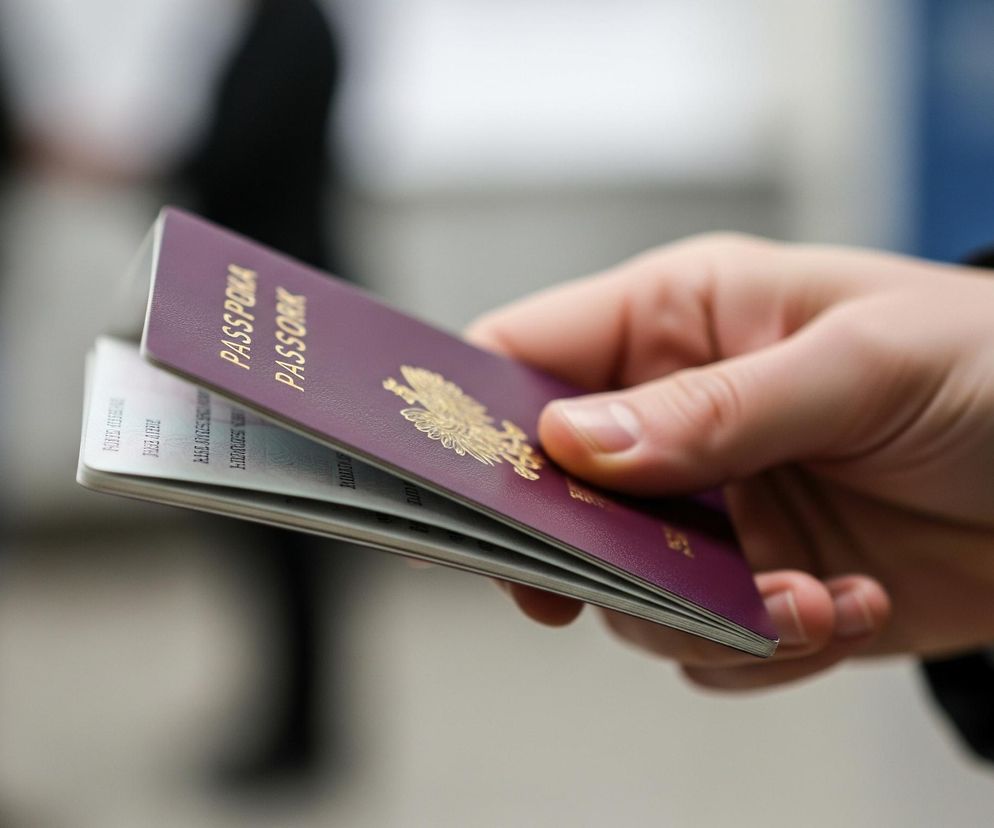
Changes to the citizenship law are being prepared in Poland. An expert on Polish politics explained what the possible innovations mean and whether they are as alarming as they seem
Let us remind you that Poland is considering tightening the conditions for granting Polish citizenship
What will change?
- Obowiązkowy egzamin na obywatelstwo — test składający się z około 40 pytań dotyczących wiedzy o historii, ustawodawstwie, wartościach Polski oraz poziomie integracji w społeczeństwie.
- Signing a declaration of loyalty to the Polish state
- A high level of Polish language proficiency — no lower than level B2
- A minimum residence period in Poland — at least 8 years
- Having the status of a tax resident in Poland.
Kirył, an expert on Polish politics and one of the authors of the podcast “Zrobiona w Polsce,” explained what the planned innovations actually mean
“If we talk about the first point, which is the citizenship test, the idea of the Polish Ministry of the Interior is not a new concept. Similar tests have existed for a long time in various countries in Europe,” says the expert.
He emphasizes that the experience of other countries shows that such exams are usually not difficult and can be prepared for in advance. It is an additional bureaucratic procedure, but not a critical one.
“The main question is whether a convenient system for registering and taking the test will be created for all those wishing to obtain a Polish passport,” adds the expert.
Drugi punkt — podpisanie aktu lojalności — Kirył uważa za formalność. Wyjaśnia:
„To z pewnością nie powstrzyma ludzi o złych intencjach, a dla sumiennych nowych obywateli nie wprowadzi żadnych nowych obowiązków, ponieważ lojalność wobec swojego kraju wynika bezpośrednio z istniejącego ustawodawstwa.”
Why is this being proposed? The expert sees two reasons:
Even such a seemingly formal requirement can influence the calming of sentiments among Poles. I think that in closed party surveys and focus groups, the question of whether some new citizens might turn out to be a “fifth column” could have been raised. We must understand the times we live in.
This provision could become the basis for introducing the possibility of revoking citizenship for people who commit crimes against their country (read — treason) in the future. Currently, there is no such possibility in Poland
„Ale ludzie, którzy prowadzą normalne życie, zdecydowanie nie muszą się tego obawiać. Żyjemy w kraju, w którym prawo działa, a także istnieją ponadnarodowe instytucje europejskie, które zapewniają, że nie ma nadużyć,” wyjaśnia autor.
The third point addresses the high level of Polish language proficiency. Currently, knowledge of the language at level B1 is required. According to the expert, we should hope that the level will be raised to B2.
“Yes, the difference between B1 and B2 is significant, but after living many years in Poland, I believe it is possible to learn Polish to the appropriate level without too much difficulty. Moreover, there is, as I am sure, a hidden meaning here: migrants from culturally and ethnically similar nations are given a sort of ‘head start.’ The Polish state and society want to avoid a large influx of migrants and new citizens from countries with completely different cultural codes and traditions in the future,” explains Kirył.
The fourth point concerns the minimum residence period in Poland — it is proposed to increase it to at least 8 years
The expert believes that this is how the government wants to organize the citizenship system without significantly increasing the residence period before applying
“Essentialnie, chodzi o sformalizowanie już istniejącej praktyki 'ośmiu lat' — 99% nowych obywateli mieszka w Polsce przez co najmniej ten okres. Nawet możliwe zmiany są mało prawdopodobne, aby były tak surowe jak w propozycjach 'Prawa i Sprawiedliwości.' Może to również zmniejszyć napięcia społeczne i osłabić populistyczną tezę o 'obywatelstwie w 3 lata,' która nie odpowiada rzeczywistej procedurze,” wyjaśnia Kirył.
And the last point — tax residency.
“This point is also more cosmetic, aimed at showing on paper to Poles: ‘Look! They all pay taxes and work for the bright future of our country,’” believes the expert.
Since one must already live in the country for a considerable time without significant breaks before applying, and if one lives 186 days or more in a year — they automatically obtain tax residency
What do we have in the end?
In summary, the expert notes that this is not a revolution, but rather a revision of the existing system that meets the challenges of our time and the expectations of Polish society
The current law was adopted in 2009 and at that time was a breath of fresh air: the process of obtaining Polish citizenship was systematized and not very complicated. Back then, the procedures took significantly less time than they do now, and if a candidate met fairly simple criteria, they could become a happy holder of a burgundy passport
„Ale to było dawno temu, w 2009 roku. Czasy się zmieniły. Świat się zmienił. Jeśli ostatecznie przyjęta zostanie ustawa, która uporządkuje system, uspokoi polskie społeczeństwo i ograniczy możliwości manipulacji opinią publiczną przez prawicowych populistów, to paradoksalnie może to być korzystne zarówno dla polskiego państwa, jak i dla samych migrantów. A nowe zasady nie będą wymagały zmian przez długi czas,” dodaje ekspert.