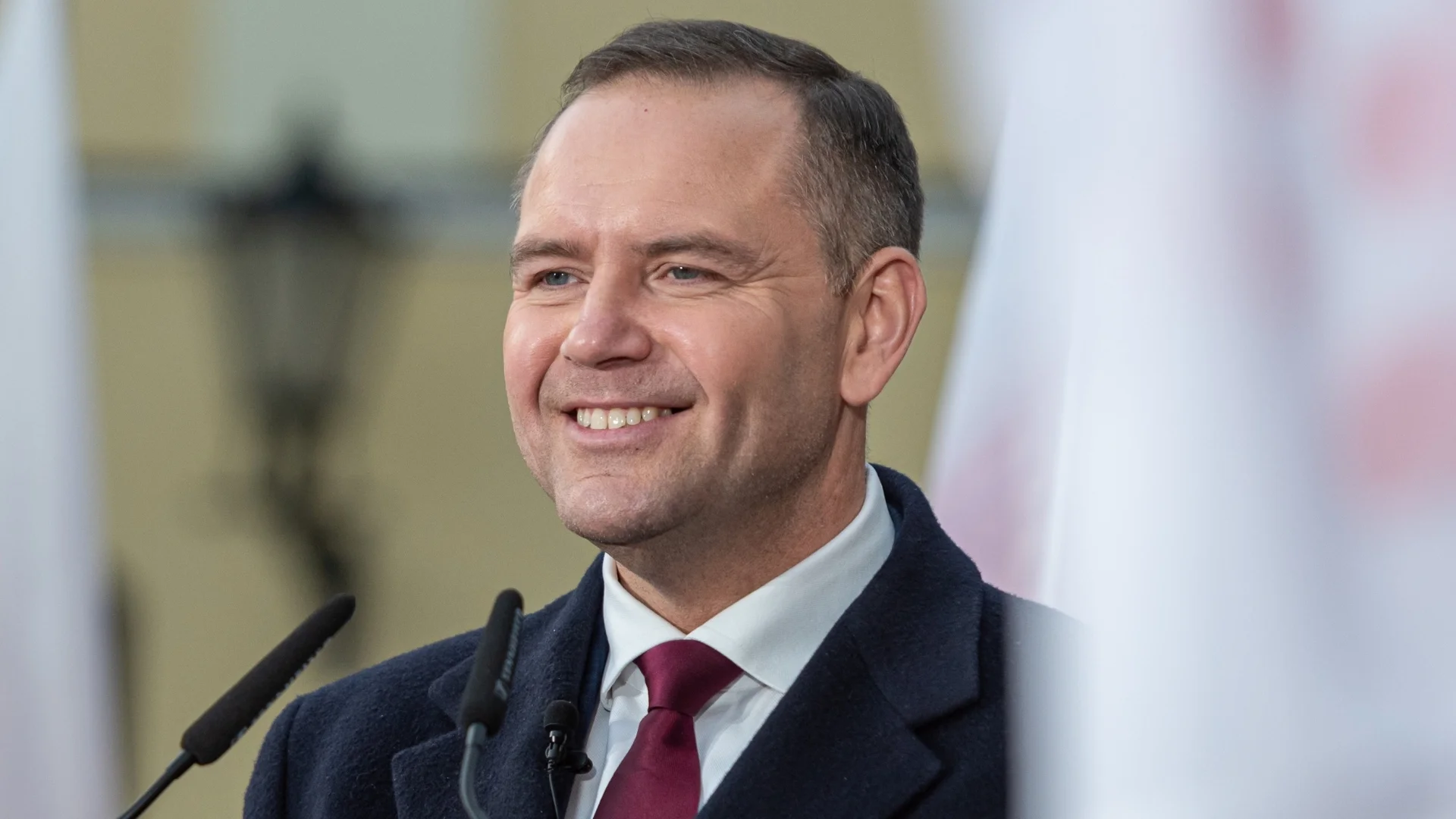
The District Court Prosecutor's Office has closed the investigation related to the use of the apartments of the Museum of the Second World War in Gdańsk during the management of the institution by Karol Nawrocki. Investigators concluded that his actions did not contain any signs of a crime
The investigation began in February 2025 following publications that Navrocki, while serving as the museum director, was using its hotel rooms and apartments. The case also included a statement from MP Roman Girth, who suspected the former director of exceeding his authority and harming the interests of the museum.
The investigation lasted for over a year. During this time, 41 witnesses were interrogated, including 37 current and former employees of the museum. The prosecutor’s office examined room and apartment bookings, the electronic correspondence of employees, the director’s calendar, documents regarding job responsibilities, vacations, and sick leaves, as well as materials from the audit of the museum’s financial activities by the Supreme Audit Office of Poland.
Why the case was closed
As investigators established, the rules for using the hotel premises of the museum were regulated by orders signed by Navrocki himself during his tenure. In particular, an order from 2020 allowed the director to grant discounts and waive fees for the use of the apartments.
According to the prosecutor’s assessment, it is therefore not possible to speak of an abuse of power: the director acted within the powers provided by the museum’s internal regulations. As a result, investigators did not find the elements of a crime as defined by Article 231 of the Polish Penal Code.
The decision to discontinue the investigation is not final and can be appealed.
The story about the apartments has become one of the most discussed episodes of the 2025 presidential campaign. It was previously reported that between 2018 and 2021, Nawrocki booked rooms and apartments at the museum for about 201 days. He explained that some of the bookings were related to official meetings and quarantine during the COVID-19 pandemic.