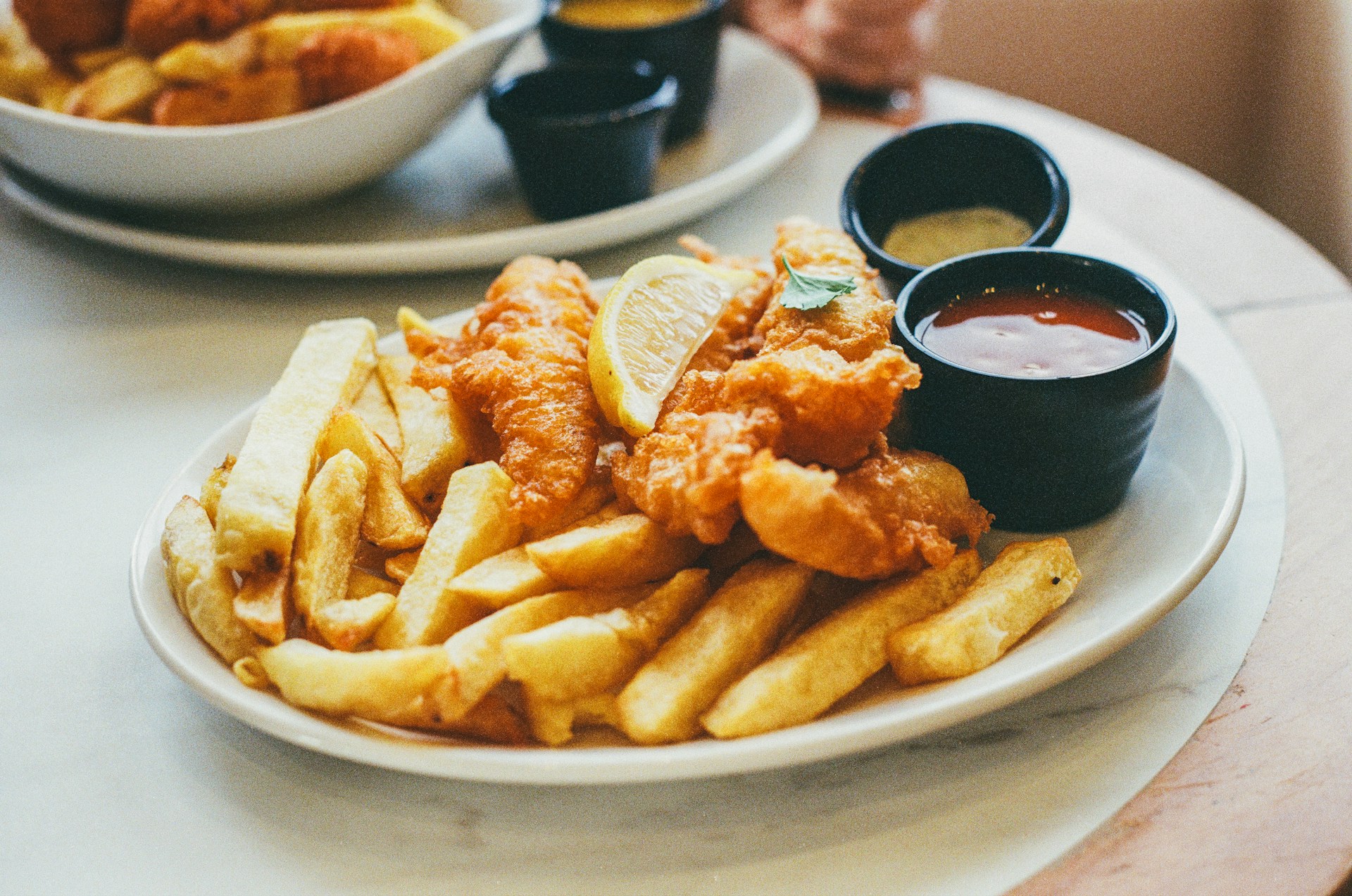
The Polish inspection checked 50 fish establishments on the Baltic Sea. Violations were found in 38 of them: fish substitution, lack of allergen information, and incorrect dish labeling
During the inspections, inspectors assessed the quality of the fish, its physicochemical parameters, and the compliance of the information stated in the menu with the actual content of the dishes. There were virtually no complaints about the freshness of the products — the appearance, smell, and taste met the standards. The main problems were found in labeling and substitution of fish species.
Laboratory tests confirmed fish substitution in eight batches. Instead of the ordered pollock, customers were served yellowfin sole, and instead of Atlantic cod or Argentine hake — saithe, which is often sold under the name "black cod." Although these species belong to the same family, they differ in taste, texture, and market value
Even more often, violations concerned information for consumers. Errors were found in 79 batches of products, which accounted for about 67% of the inspected cases. The menu lacked complete lists of ingredients, allergens were not indicated, and the names of the fish were inaccurate or misleading to customers
Zgodnie z polskimi przepisami, menu musi określać pełny skład dania, alergeny i dokładny rodzaj ryby. Klient ma prawo wiedzieć, czy je dorsza, morszczuka, mintaja czy rdzawca, a nie tylko "filet rybny".
Inspekcja przypomniała również, że sposób przygotowania musi odpowiadać opisowi w menu. Jeśli jest napisane, że ryba jest pieczona, nie można podać smażonej ryby, i odwrotnie.
W wyniku kontroli wobec naruszycieli zastosowano środki prawne. Kontrola ostrzegła, że nadzór nad obiektami na wybrzeżu Bałtyku będzie kontynuowany przez cały sezon letni, kiedy napływ turystów osiąga szczyt.