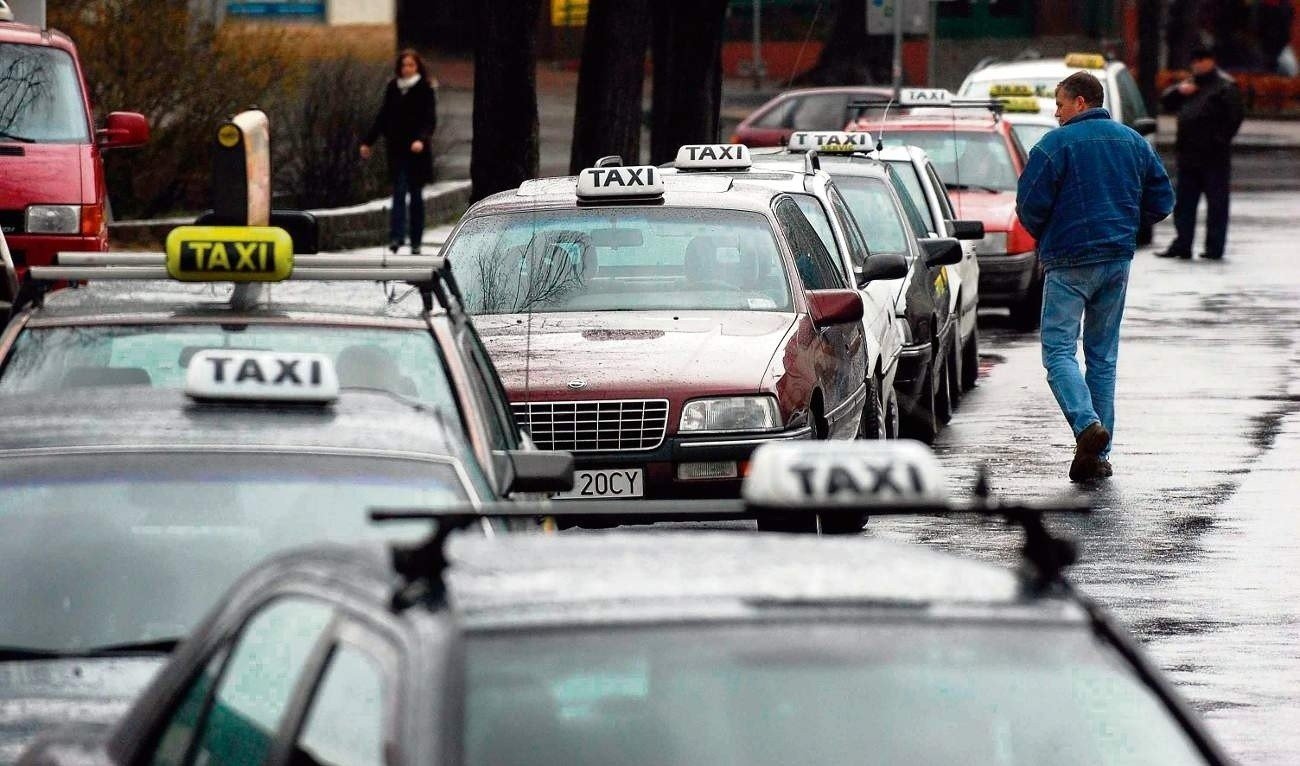
“I’m not persuading anyone to buy, I’m just offering if I see there’s a need,” says a taxi driver from Gdańsk. He is not the only one profiting from the nighttime ban on alcohol sales in the city.
Such bans are already in effect in more than 200 municipalities in Poland. In some places, it’s the whole city, in others, only specific districts. Businesses are looking for workarounds. In Szczecin, one store created a “tasting room” behind a curtain, where alcohol can only be consumed on-site. In another, they opened a small “garden,” which effectively operates as a bar after 11:00 PM.
W Gdańsku zakaz obowiązuje od 2021 roku, początkowo w centrum, a od zeszłego roku w całym mieście, od 22:00 do 6:00. Władze tłumaczą to względami bezpieczeństwa i porządku: ich zdaniem ograniczenie dostępności alkoholu zmniejsza związane z tym problemy.
Jednak mieszkańcy nie są pewni, czy to działa. A kierowcy taksówek również znaleźli sposób na zarobek. Kacper jeździ pasażerami po mieście od trzech lat i prawie każdej nocy trzyma zapas alkoholu w swoim bagażniku.
— Ludzie często pytają, gdzie mogą kupić alkohol w nocy. Wielu nowoprzybyłych po prostu nie wie o zakazie. Tak narodził się ten pomysł, — tłumaczy.
According to him, demand especially increases on weekends
— Czasami muszę uzupełnić zapasy w nocy. Mam mały magazyn w garażu.
He doesn’t specify exact earnings, but says he is “in the black”
Another taxi driver confirms: in one night, you can earn from alcohol as much as in two days of driving. According to him, this is common not only in Gdańsk but also in other cities.
Taxi drivers are not afraid of the police.
— Formalnie nie łamię żadnych przepisów. Nie zmuszam nikogo do zakupu — po prostu oferuję, jeśli widzę, że ktoś tego potrzebuje, — mówi Kacper.
Taxi drivers note that after the ban was introduced, the flow of rides to Pruszcz Gdański, where there are no restrictions, has increased — people simply go there to buy alcohol
Local authorities, meanwhile, have refused to introduce a ban, fearing a drop in store revenues, a decrease in taxes, and an increase in conflicts.