The restaurant business in Poland reports an increase in suspicious complaints in food delivery services. According to entrepreneurs, customers are using images generated by artificial intelligence. Restaurant owners claim this leads to unjustified refunds. Delivery platforms acknowledge the problem and are tightening their checks
— Ostatnio nie ma dnia, aby nie było skarg. Ludzie wysyłają zdjęcia, twierdząc, że pokazują włosy na pizzy lub brakujące dodatki. Rozumiemy, że są to obrazy generowane przez AI. Jednak platformy niemal zawsze stają po stronie klienta, — mówi Kamil Sosek, właściciel włoskiej restauracji w dzielnicy Mokotów w Warszawie.
According to him, even in disputed cases, restaurateurs often lose part or all of the order's value
The delivery market continues to grow
According to data from Stava, the food delivery market in Poland was valued at around 10 billion zlotys in 2024, and last year it grew to about 13 billion. Approximately 4.4 billion food delivery orders are made annually in the country
Against the backdrop of market growth, restaurants are becoming increasingly dependent on aggregators, through which a significant portion of orders is processed
“Platforms almost always side with the customer”
Industry representatives say that in recent months, there have been more frequent cases where users file complaints supported by images generated or processed by artificial intelligence
The scheme, as restaurateurs claim, looks like this: a customer orders a dish, takes a photo of it, and then uses AI to create an image that allegedly shows the food not matching the order or looking spoiled
Reklamacja jest następnie wysyłana do serwisu wsparcia platformy, gdzie, według przedsiębiorców, decyzje o zwrotach często podejmowane są automatycznie lub przy minimalnej weryfikacji.
— Obrona swoich praw jest praktycznie niemożliwa. Platformy koncentrują się na maksymalizacji satysfakcji klientów, konkurując ze sobą. W rezultacie straty ponosi restaurator, — zauważa Sosek.
He adds that even when the establishment is found not to be at fault, payments are often not made in full
As an example, he cites a case where a customer ordered four pizzas totaling over 150 zlotys and complained about a missing ingredient in one of them
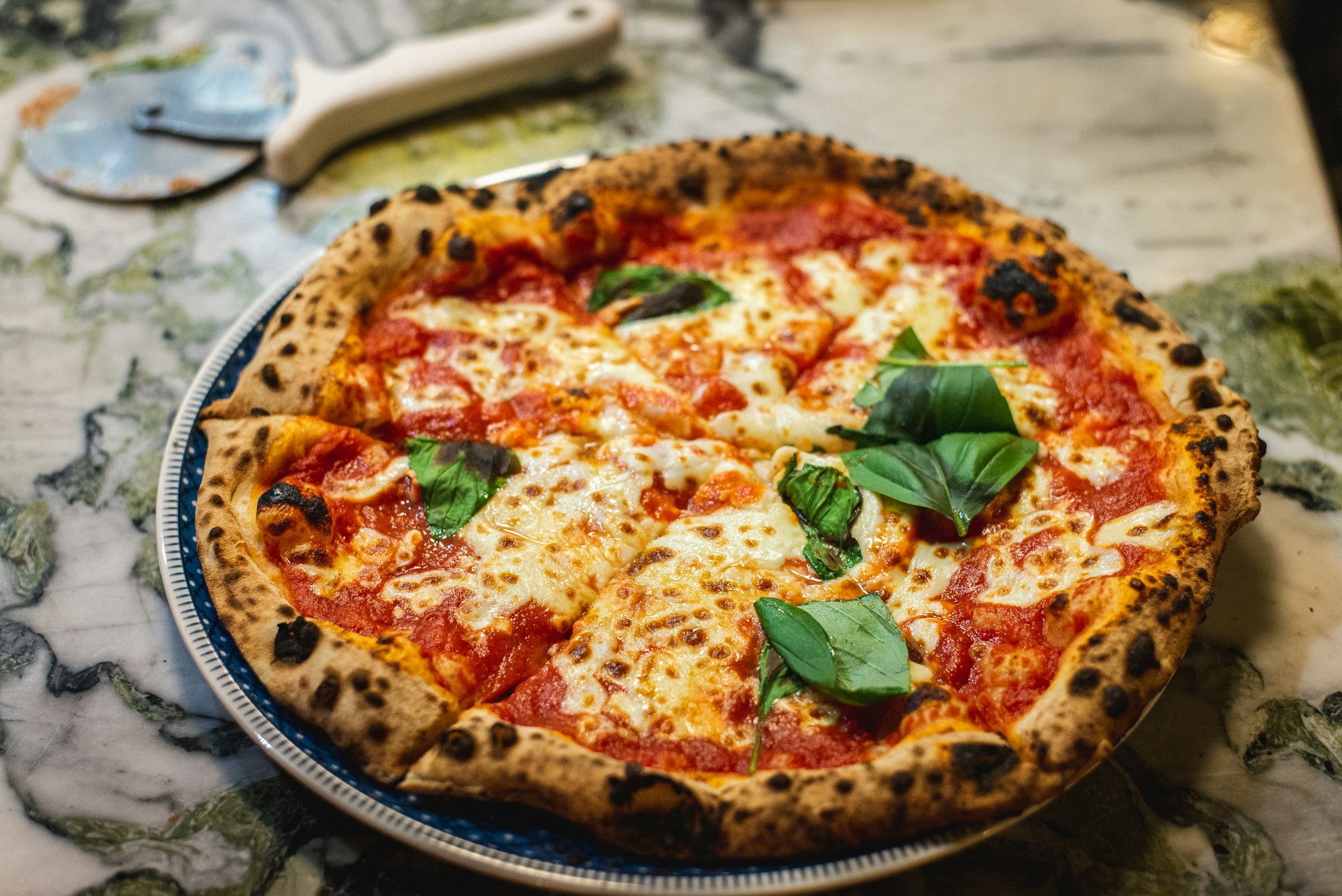
— As proof, a photo was sent that had nothing to do with our dish. We have Roman pizza with thin dough and a crispy edge, while the image showed Neapolitan pizza. Nevertheless, we were compensated for only about a third of the order amount. The decision, apparently, was made by an algorithm, — he claims.
Commissions and economic burden
Restauratorzy zwracają również uwagę na wysokie obciążenie prowizjami ze strony platform dostawczych.
— Współpraca z Uberem, Boltem czy Pyszne.pl stanowi około 30% obrotu restauracji. Jednak prowizje wahają się od 25% do 35% wartości zamówienia, — mówi Sosek.
According to him, out of a 50 złoty order, about 15 złoty goes to the platform, which significantly reduces the business's margin.
— W rezultacie znaczna część potencjalnych zysków jest efektywnie redystrybuowana na korzyść agregatorów, — dodaje.
“A systemic problem” in the market
Restaurant critic and manager Dawid Czarnota believes that the food delivery market is facing systemic distortions
— The restaurateur bears operational risks, pays high commissions, and often loses disputes due to anonymous complaints based on misleading images, — he notes.
According to him, establishments have virtually no effective protection mechanisms
— Regularnie otrzymuję dziesiątki zapytań od właścicieli restauracji z przykładami wyraźnie sfabrykowanych skarg. To już nie są odosobnione przypadki, ale utrzymujący się trend, — mówi Czarnota.
He describes the current practice as a “market pathology,” pointing to the imbalance between platforms and restaurants
The position of the platforms
Delivery companies confirm that cases of fraud are indeed recorded, but emphasize that their share remains insignificant compared to the total number of complaints
Przedstawiciele branży zauważają, że jakość jedzenia może się zmieniać podczas dostawy, co czasami prowadzi do sporów między klientami a restauracjami.
— Dostawa może zająć do godziny, a w tym czasie temperatura, tekstura i wygląd dania się zmieniają. Klient ocenia produkt dopiero po transporcie, — wyjaśniają uczestnicy rynku.
Pyszne.pl informs that each complaint is verified using algorithms and manual moderation, including analysis of user history, IP addresses, and other parameters.
Bolt Food emphasizes that cases of fraud using AI remain rare, but the monitoring system allows for the detection of abuses and, if necessary, blocking users
If needed, I can additionally:
- Please provide the text you would like me to translate.
- make it more of a “hard investigative” style,
- or shorten it to a news note of 1200–1500 characters